


Episode 2: Boredom is Our Kryptonite
“Welcome back to Grandma Has ADHD! In this second part of our inaugural episode, hosts Jami Shapiro and Justin Shepherd dive deeper into the fascinating
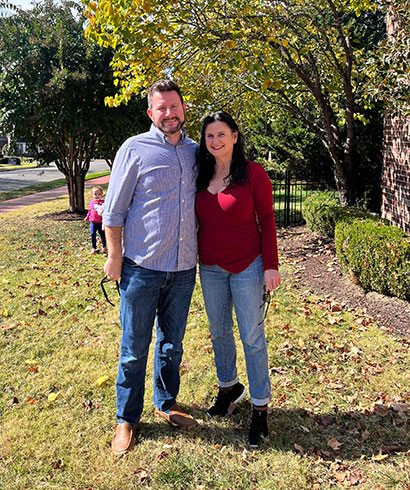
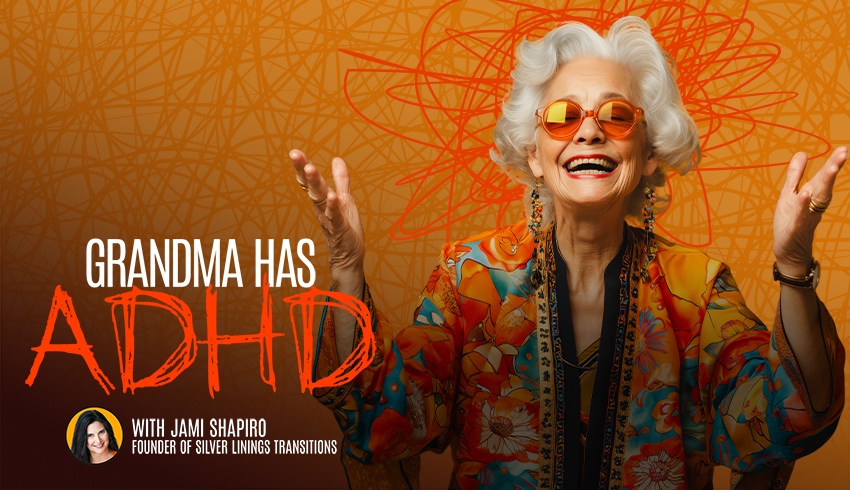
In this milestone 50th episode, Jami Shapiro sits down with a very special guest—her mom, Vicki—for a deeply personal and eye-opening conversation about ADHD, clutter, grief, and the complicated bonds between mothers and daughters.
Together, Jami and Vicki share the untold story of how clutter and emotional dysregulation shaped their relationship for decades—and how finally understanding ADHD has begun to transform not only their perspective, but their connection to one another.
From unpacdings, resentment, and the stigma that kept ADHD hidden in plain sight. With humked boxes after a family loss to the heavy weight of generational trauma, Jami and Vicki candidly open up about misunderstanor, honesty, and vulnerability, they also explore the powerful relief that comes when you realize: it wasn’t laziness, weakness, or failure—it was ADHD all along.
Whether you’re navigating ADHD yourself, supporting a loved one, or healing family wounds, this heartfelt episode will remind you that it’s never too late to rewrite your story, repair relationships, and find compassion for yourself and others.
ADHD and clutter often go hand-in-hand—especially for women over 50 who may not have been diagnosed until later in life. In this special 50th episode of Grandma Has ADHD, host Jami Shapiro and her mom Vicki share a raw and honest story of how ADHD, grief, and emotional dysregulation impacted their family for decades.
If you’ve ever wondered why clutter feels overwhelming, why family relationships get strained, or why ADHD symptoms can remain hidden for so long—this episode offers answers, compassion, and hope.
For Jami and Vicki, clutter wasn’t just about messy rooms—it was a reflection of grief, loss, and undiagnosed ADHD. After the deaths of loved ones, boxes and belongings piled up, creating “grief clutter” that felt impossible to face.
This episode explores:
Vicki shares how decades of therapy and medication for depression never uncovered the true issue—ADHD. Like many women over 50, her symptoms were overlooked or dismissed. Only later in life did the pieces come together.
Key insights include:
Jami and Vicki show how awareness of ADHD can change not only how you see yourself, but also how you see your loved ones. What was once frustration and resentment has shifted into compassion, humor, and even healing.
This conversation proves:
If you’ve struggled with clutter, felt frustrated with a loved one, or wondered if ADHD could explain lifelong challenges, this episode will resonate deeply.
Whether you’re an adult newly diagnosed with ADHD, a family member trying to understand, or simply curious about ADHD and clutter—you’ll walk away with practical insights, compassion, and a reminder that you are not alone.
“Welcome back to Grandma Has ADHD! In this second part of our inaugural episode, hosts Jami Shapiro and Justin Shepherd dive deeper into the fascinating

“Welcome to Part 1 of the Grandma Has ADHD podcast, hosted by Jami Shapiro and Justin Shepherd. In this inaugural episode, we kick things off
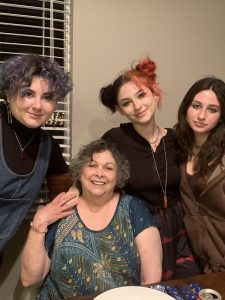
The “OG Original Grandma” describes her life with Jami and Justin since discovering like her daughter and grandchild, she too shared the hereditary trait of ADHD.
If you are a senior or a chronically disorganized adult who’d like to tackle your clutter and would benefit from assistance in getting started and maintaining household organization and life systems, the Silver Linings Transitions team is here to help.
Contact a team member at 760 522-1624 to get started.

Monthly Live Coaching
Join a community of women who’ve felt “different” their whole life and are ready to stop doing life on hard mode.
Live coaching with Jami to help you manage clutter, spending, overwhelm, and follow-through. $27 per session. Recording included.